Signs of lock or strike plate damage that photos can reveal
What photos can tell you before deciding on door lock replacement
A lock that sticks, a deadbolt that scrapes, or a door that jams may point to damage you cannot see at a glance. A photo taken with a phone and examined closely can reveal details that suggest whether the problem lies in the lock itself or in the strike plate and door frame. Before you call a professional or order parts, look at these clues in your own pictures.
1. The latch bolt and its alignment with the strike plate
Take a photo of the latch bolt fully extended, then another of the strike plate opening in the door frame. Compare the two. A latch bolt that sits off-centre relative to the strike opening often means the door has shifted or the frame has moved. Over time, wood frames swell or shrink, and hinges loosen, causing the door to sag. If the latch bolt hits the edge of the strike plate instead of sliding cleanly into the hole, the striker will show a telltale pattern: a polished groove or a slight dent on the side of the strike opening. That mark is a clear sign of misalignment. A photo from a low angle, looking upward along the edge of the door, will show whether the gap between door and frame is even. An uneven gap suggests the hinges are pulling away from the frame or the door itself is warped.
2. The condition of the strike plate screws and mounting surface
Zoom into the strike plate itself. Look at the screw heads. Are they flush with the plate, or do they sit slightly raised? A raised screw head means the wood underneath has stripped or the plate has been pried outward. This happens when the lock is forced or when the door is slammed repeatedly. A photo that shows the strike plate pulling away from the frame, or a gap between the plate and the wood, indicates that the frame is no longer gripping the screws tightly. In such cases, simply tightening the screws may not help; the threads have nothing to bite into. Sometimes the plate itself is bent. If you see a wavy reflection across its surface in the photo, the metal has deformed. A bent strike plate will never align properly with the latch bolt, no matter how many times you adjust the lock.

3. The lock cylinder and keyway for wear or forced entry
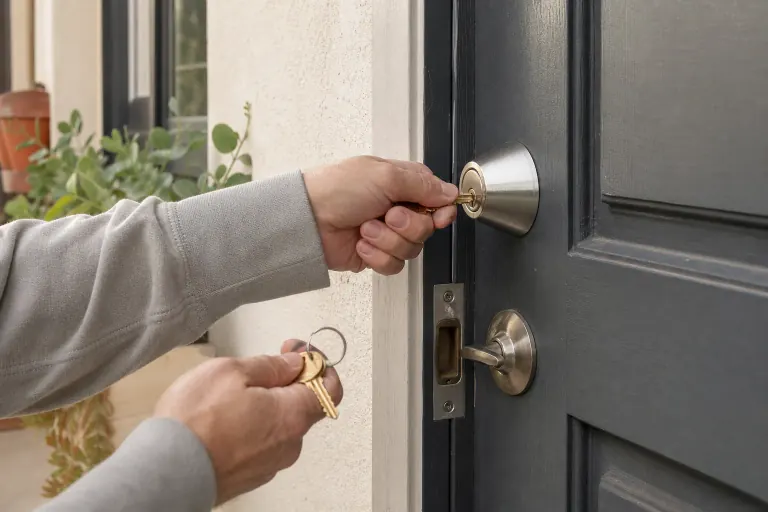
Photograph the lock cylinder from the side and from the front. Look for scratches, gouges, or discolouration around the keyway. A lock that has been picked or bumped may show faint scratch marks around the pins, visible under bright light. A damaged keyway, where the key no longer slides in smoothly, can be a sign of wear or an attempted break-in. The photo should also show whether the cylinder sits flush with the trim plate. If the cylinder protrudes or is cocked at an angle, the lock body inside the door may have shifted or the screws holding it have loosened. A loose cylinder makes the lock feel wobbly when you turn the key and can lead to premature wear of the internal components.
4. The door frame and the area around the strike
Take a wide shot of the door frame, focusing on the wood around the strike plate. Cracks, splits, or soft spots in the frame indicate that the wood has deteriorated or has been stressed by repeated impacts. A photo that shows the strike plate sitting inside a recess that has been chipped or enlarged suggests that someone has tried to force the door open or that the plate has moved over time. In older homes, the frame may have been painted many times, and layers of paint can build up around the strike opening, effectively reducing the hole size. This can cause the latch bolt to drag against the paint, creating friction that feels like a lock problem when it is actually a frame problem.
5. The deadbolt and its relationship with the strike
If your door has a deadbolt, photograph it in the fully extended position and compare it with the strike opening. A deadbolt that only partly enters the strike, or that rubs against the upper or lower edge of the hole, indicates a vertical misalignment. This is common when the door sags or the frame settles. The photo may also show a shiny spot on the deadbolt itself, which is a wear mark from contact with the strike plate. That wear shortens the life of the deadbolt and can eventually prevent it from locking fully. If the deadbolt does not push all the way into the strike, the door is not securely locked, no matter how good the lock cylinder is.
Using the photos to decide on door lock replacement
Once you have gathered these images, you can make a more informed decision. If the damage is limited to a bent strike plate or worn screws, replacing just the strike plate and using longer screws that reach into the stud may solve the problem. If the lock cylinder shows signs of wear or attempted tampering, replacing the lock itself is wise. A door frame that is cracked or rotted may need professional repair before any new lock will function properly. A locksmith connection service such as rrlocksmithlosangeles.com can help you find a provider who can evaluate the photos and advise on the best course of action. Sharing your images with a professional allows them to see the exact condition without an in-person visit, saving time and giving you a clearer understanding of what needs to be done.
Photos are a simple, free tool that puts you in control of the conversation with a locksmith. Instead of describing a vague problem over the phone, you can send clear evidence of misalignment, wear, or frame damage. That leads to a more accurate diagnosis and a more targeted repair or replacement. Whether you end up needing a simple strike plate adjustment or a full door lock replacement, having those photos ready makes the whole process smoother. The same principle applies when you are comparing options or getting a second opinion: you can show the same images to multiple providers and get consistent advice. In a city like Los Angeles, where doors and frames face constant temperature shifts and settling, a visual check can save you from unnecessary work or a lock that fails when you need it most.
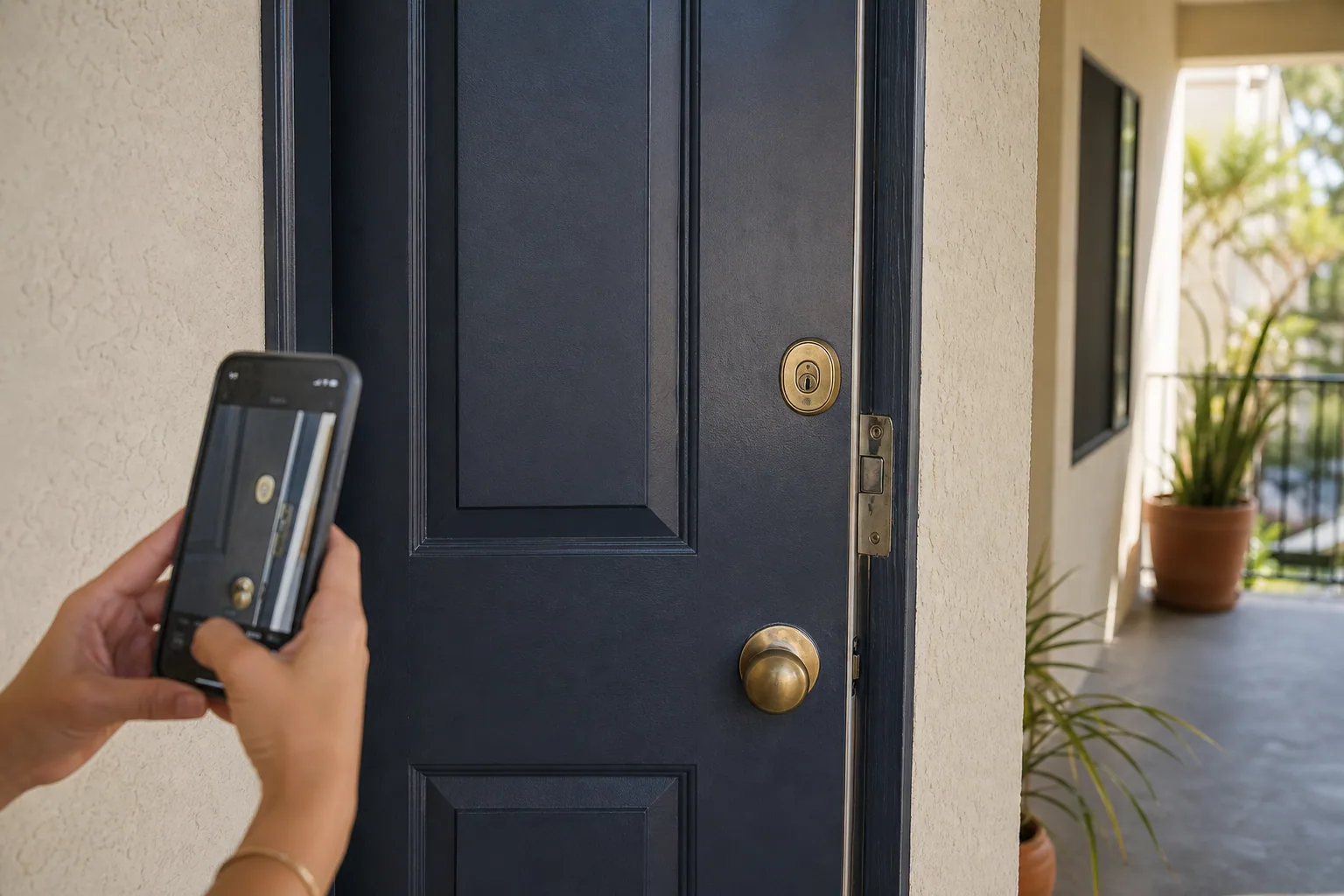
When you are ready to take action, remember that not every lock problem is a lock problem. A damaged strike plate or a shifted frame can mimic a failing lock. A good locksmith will look at the whole picture. Services like rrlocksmithlosangeles.com connect you with professionals who understand these subtleties and can guide you toward the right fix. Taking a few minutes to photograph your lock and strike plate can make all the difference in getting it done right the first time.